
Researchers from Tarbiat Modares University in Iran have developed a tilted solar chimney system that integrates photovoltaic power generation with a passive ventilation system for underground spaces, effectively lowering indoor temperatures. The "chimney effect," a classic passive energy-saving technique widely used in architecture, promotes natural air flow and exchange between indoor and outdoor environments.
The working principle of the system is as follows: Solar panels generate heat while producing electricity, warming the air in the channel behind them. The hot air rises, creating a chimney effect that expels indoor air. Simultaneously, outdoor fresh air is cooled as it passes through the underground space before entering the building, thereby achieving cooling. Additionally, airflow helps dissipate heat from the photovoltaic panels, lowering their operating temperature and consequently enhancing power generation efficiency.
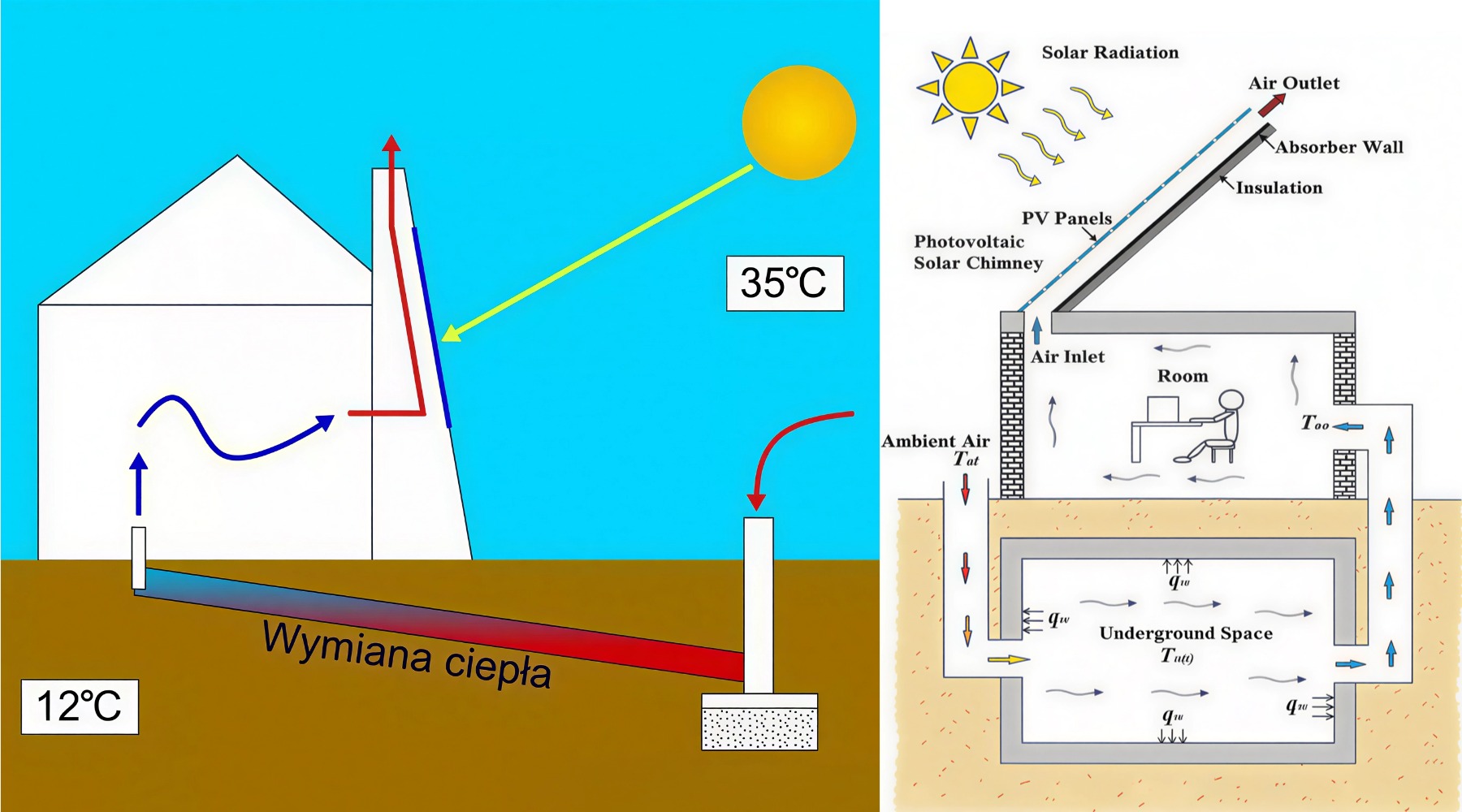
The research team conducted a simulation experiment in Tehran, Iran: a 6m×5m×2.8m room was connected to a 6m×5m×2.5m basement, with ventilation achieved through a 4.2m×2.4m photovoltaic chimney. The results show that the system can provide cooling capacity ranging from 110W to 1000W, keeping indoor temperatures within a comfortable range during summer.
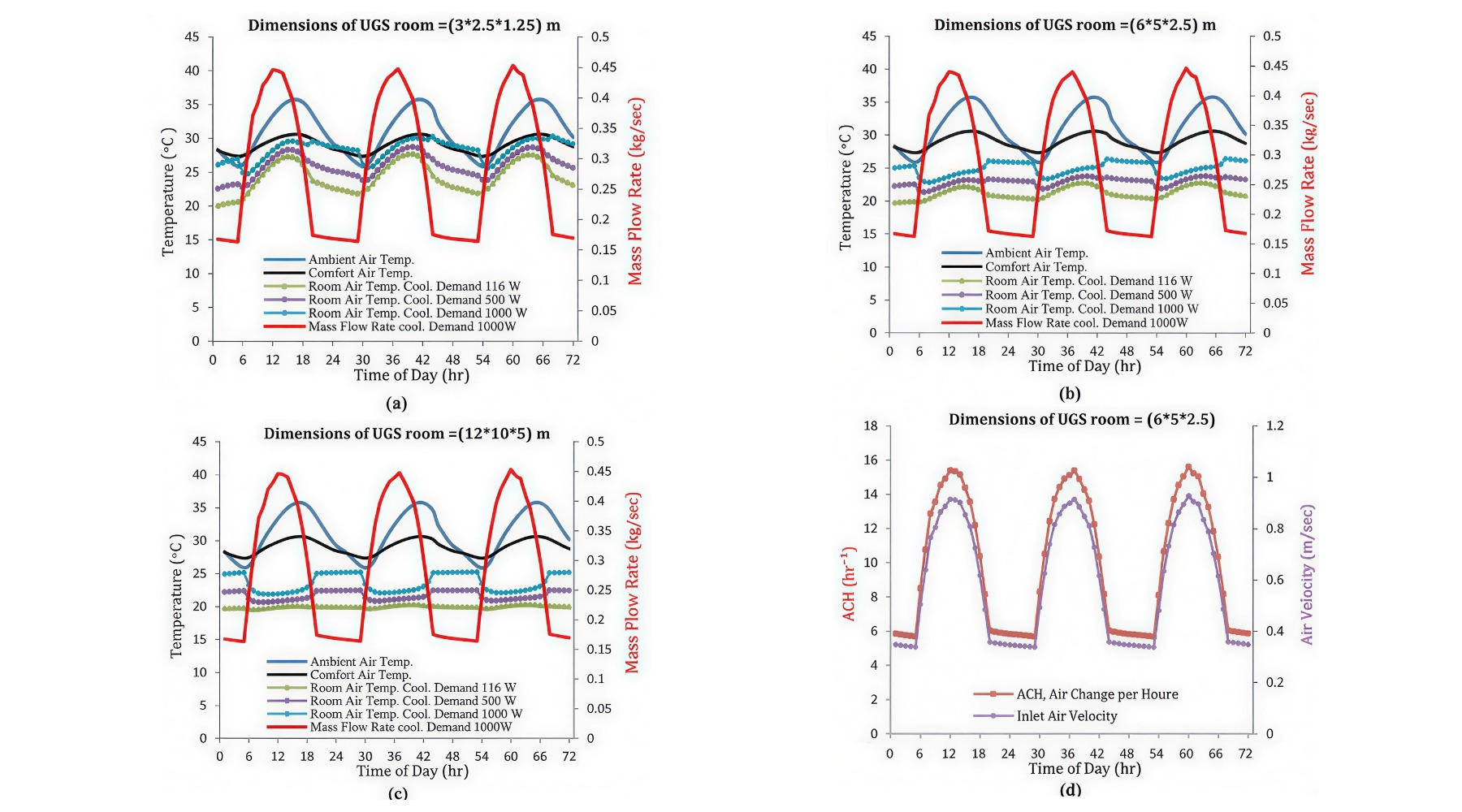
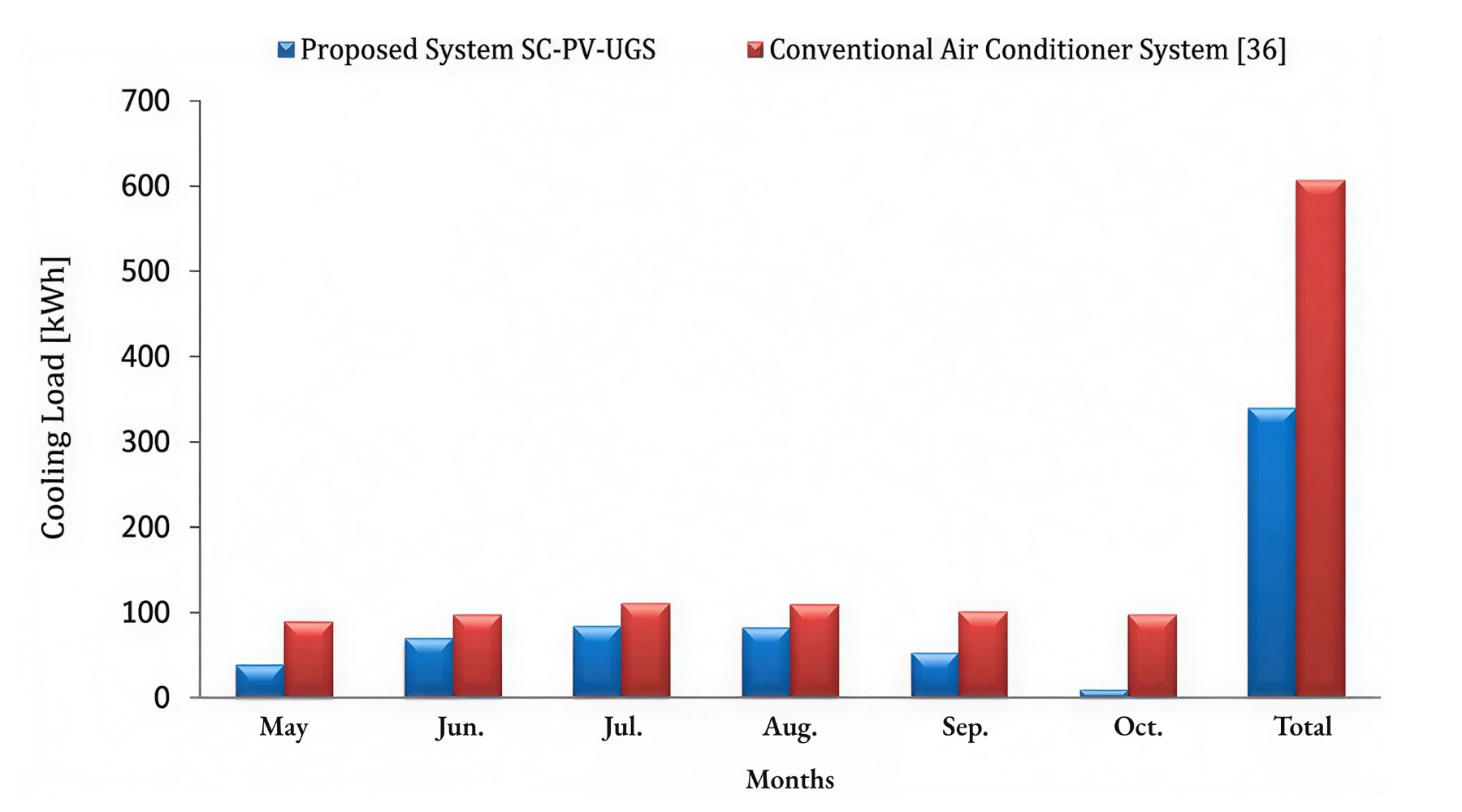
However, in Baghdad, Iraq, where the climate is hotter, photovoltaic chimneys of the same size struggle to maintain consistently comfortable indoor temperatures during summer, with the issue being particularly pronounced at night. To address this, the team recommends installing small fans at night to enhance ventilation. When used in conjunction with air conditioning, this photovoltaic chimney system could reduce cooling load by 55.9%, with annual air conditioning electricity consumption estimated at around 340 kWh.
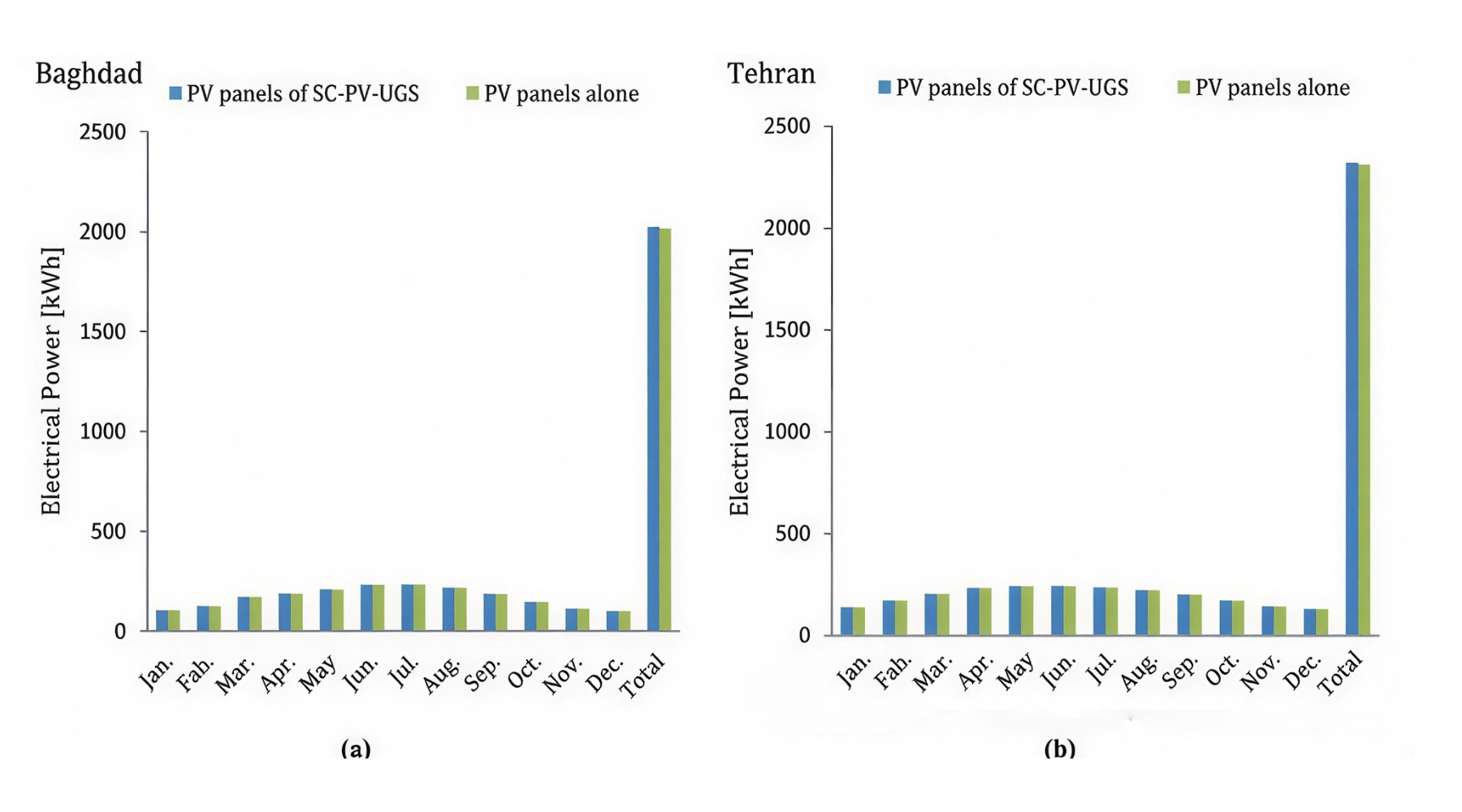
According to the team’s calculations, such a photovoltaic chimney system could generate over 2000 kWh of electricity annually—about six times the air conditioning consumption. The ventilation cooling effect on the back of the photovoltaic panels contributed to an additional 0.5% power generation.
This paper proposes integrating the chimney effect with solar technology, which not only reduces the operating temperature of solar panels and enhances their power generation efficiency but also strengthens natural ventilation in underground spaces, thereby lowering indoor temperatures during summer.